Lynchian studies I: velvet and the architecture of unease
I begin this writing from inside a snowstorm. I have Twin Peaks: Fire Walk With Me playing muted in the background and a David Lynch playlist on my speaker.
Lynch’s work is not for everyone. It is polarizing and undeniably confronting. Whether you love it or hate it, it holds its gaze where most directors look away.
The film opens with blue TV static and bold, slightly italic typography for credits. Without hearing it, I know it’s accompanied by a typically Lynchian jazz noir. It’s off-balance, yet steady. It doesn’t try to win our approval. It leads us eerily into his world, slowly pulling back the frame, never explaining why the TV is smashed before it carries us into the first scene. It sets the tone for instability before the narrative even begins.
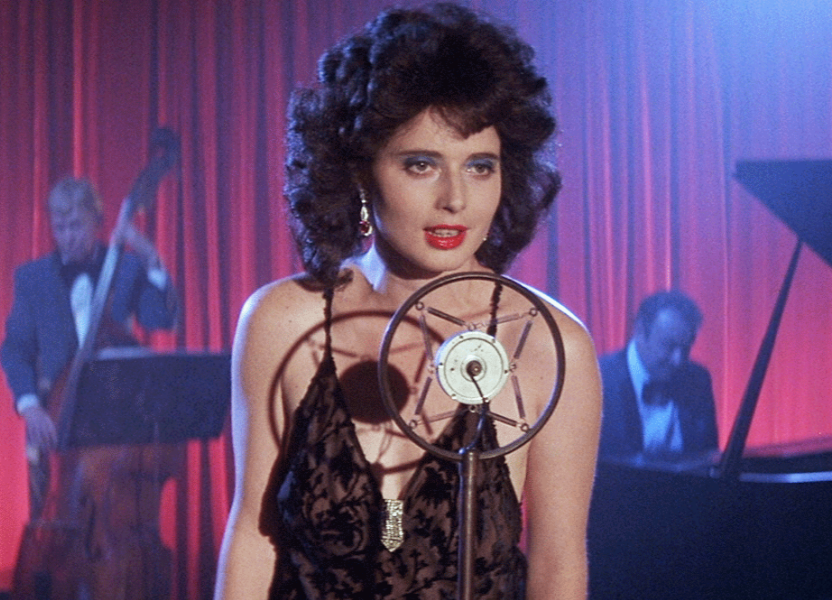
Lynch creates atmosphere through blunt, unfiltered cuts and the precise capture of banal movements from his always flawless cast, paired with obscure set design, disciplined lighting, and carefully chosen locations. His secondary characters carry as much atmospheric weight as the leads, a rare trait. Nothing in the frame is incidental; even the figures at the edge feel considered. And always, the music. Roy Orbison. Bobby Vinton. Nine Inch Nails. Chris Isaak. And the woman under a blue light in Mulholland Drive, singing “Crying” in Spanish, her voice breaking open a room that insists everything is an illusion. The body collapses, the song continues. He understands how sound presses against image, how a familiar love song can curdle inside the wrong room, how distortion can feel devotional.
As someone who studies immersive atmosphere and the feelings it evokes, Lynch had me at Blue Velvet. His scenes are unhurried. Not a director stretching time to prove importance, like the three-hour blockbusters we’re often handed these days, but a deliberate construction of unease. Everything moves so slowly, so lifelike, that even in his more surreal landscapes it feels too real.
I want to leave, but I stay.
I don’t want to be taken behind the curtain, but I have to know.
You can feel his obsession and deep study of the mundane, his love of the profane and the grotesque, and the quiet precision in how he shows it to us.
The architecture of unsettling sights and sounds sits beside objects and settings so commonplace that I feel suspended in an in-between space. A living room. A hallway. A diner booth. Nothing ornate, nothing exaggerated, and yet everything charged. Zero polish, and yet flawless in essence.
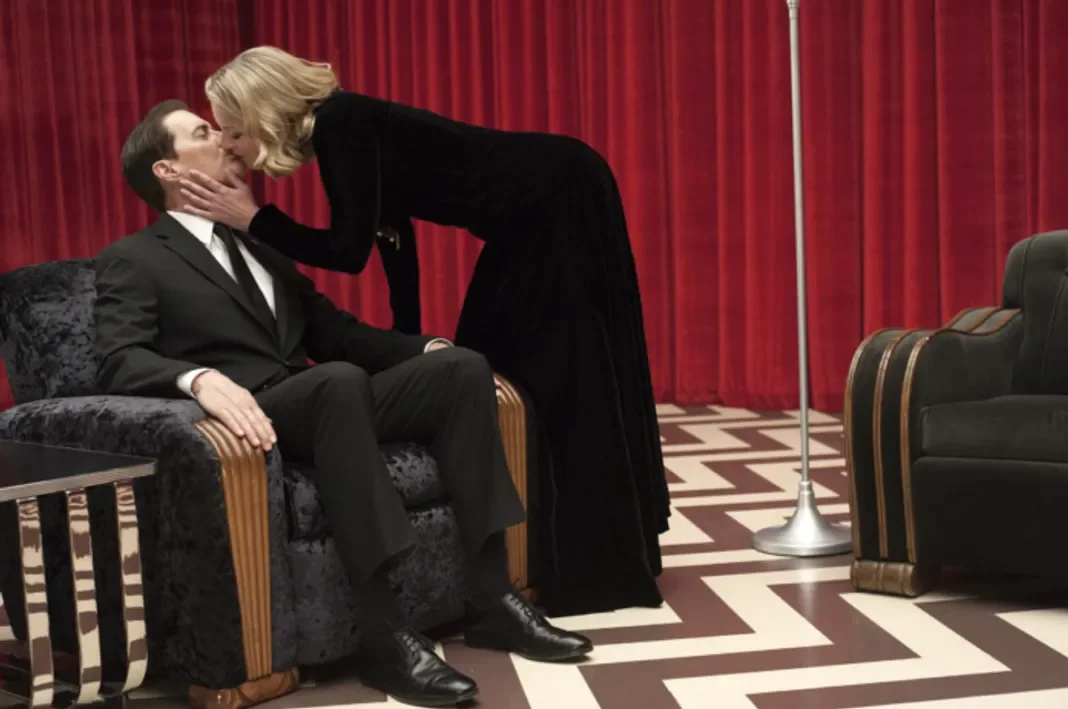
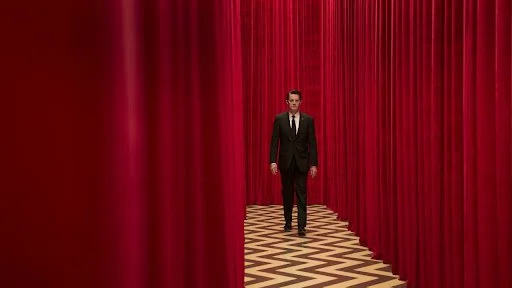
As a designer, I feel mentored by the tension created beneath the surface. As a creative director, I learn from the composition of prop styling, lighting, and textures like velvet placed inside a room too big, or seen through a lens depth that doesn’t quite make sense.
How can I be slightly bored, disturbed, and captivated at the same time?
The room never rushes to answer.
It reminds me that design should not always read as polite. Certain projects call for offbeat lighting and a taxidermy polar bear in the background without explanation. Sometimes I want that refined sense of atmosphere and unease even within the most polished cultural spaces, because it reflects a deeper commitment to world-building. Its polarizing, confronting nature, love it or hate it, feels deliberate and curated.
Blue static. Still humming.